


Frequently Asked Questions
Products Recommended
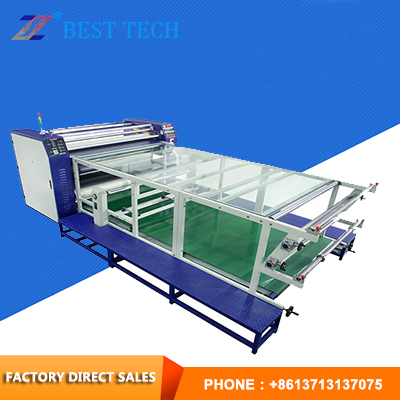
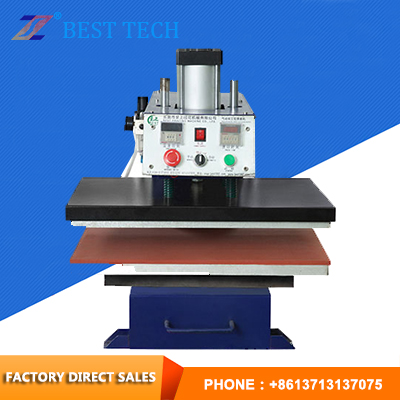
Sublimation transfer printing is a dry process. Disperse dye is printed onto transfer paper, and the image is then transferred into the fabric using heat and pressure. Nothing is washed off afterwards and no water is used in the printing stage.
Which fabrics work
| Polyester | Excellent. Strong, vivid colour and good wash fastness, because the dye bonds into the fibre. |
| Polyester-rich blends | Good, in proportion to the polyester content. Below roughly 60 % polyester the colour becomes noticeably lighter. |
| Spandex and elastane blends | Suitable where the polyester content is high enough. Popular for sportswear and swimwear. |
| Nylon | Possible with the right dye and settings, though the colour is less vivid than on polyester. |
| Cotton, silk, wool, linen | Not suitable. The dye needs a synthetic fibre to bond with. These fabrics need screen printing, digital direct printing or another process. |
Where it is used
- Sportswear, cycling wear, swimwear and dancewear
- Team kit and performance apparel
- Home textiles – curtains, bedding and upholstery fabric
- Flags and banners, printed on both sides without bleed-through
- Lanyards, webbing, ribbon and elastic tape
- Bags, footwear and accessories
Choosing the right machine
For fabric in the roll, a rotary machine with a heated drum gives continuous production measured in metres per hour. For finished garments and small pieces, a flat press is the practical choice.
Working width, drum diameter and speed are the three specifications that decide your output and your cost per metre. Tell us what you print and we will size the machine to it.
Custom and OEM production
Where a standard model does not fit, we build to a specification – wider drums, longer contact time, different pressure systems or a machine sized to a narrow web. Send us the requirement and we will tell you what is possible.